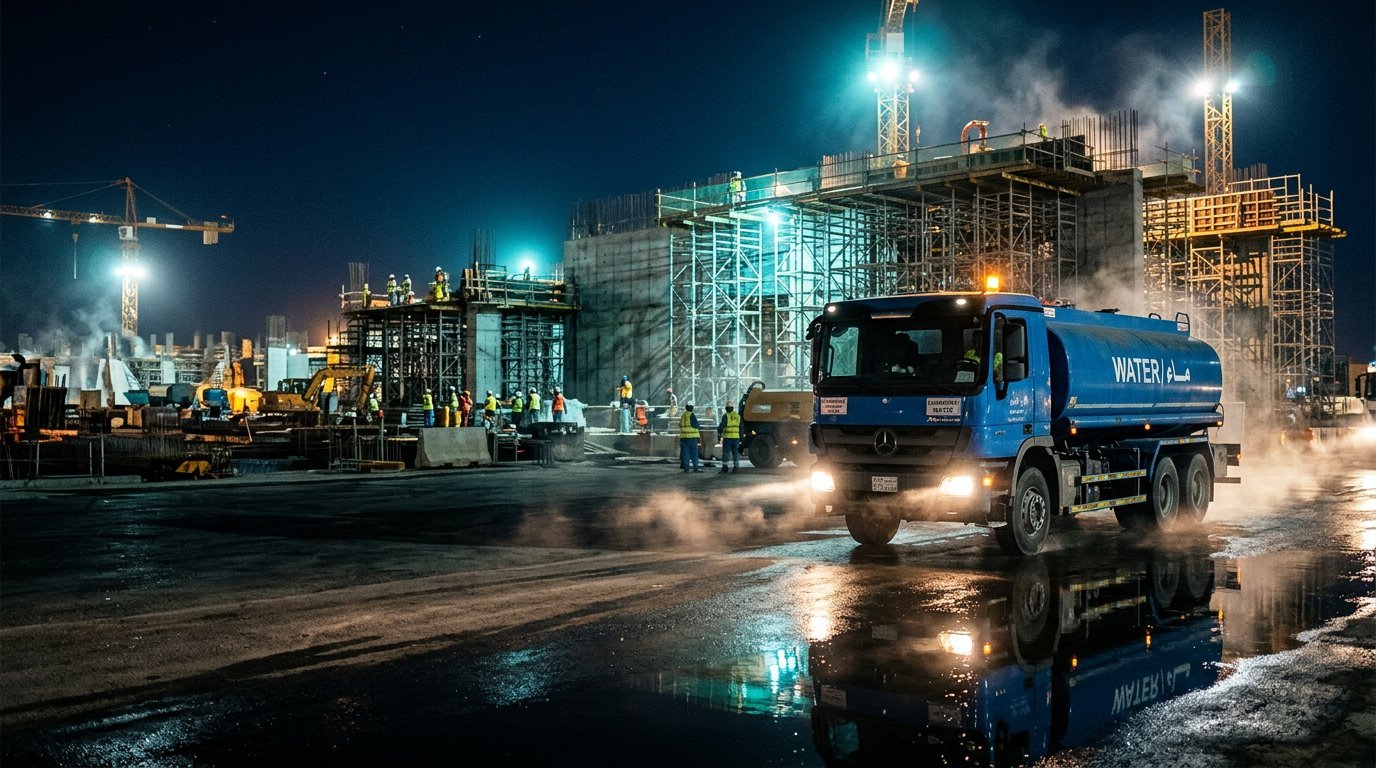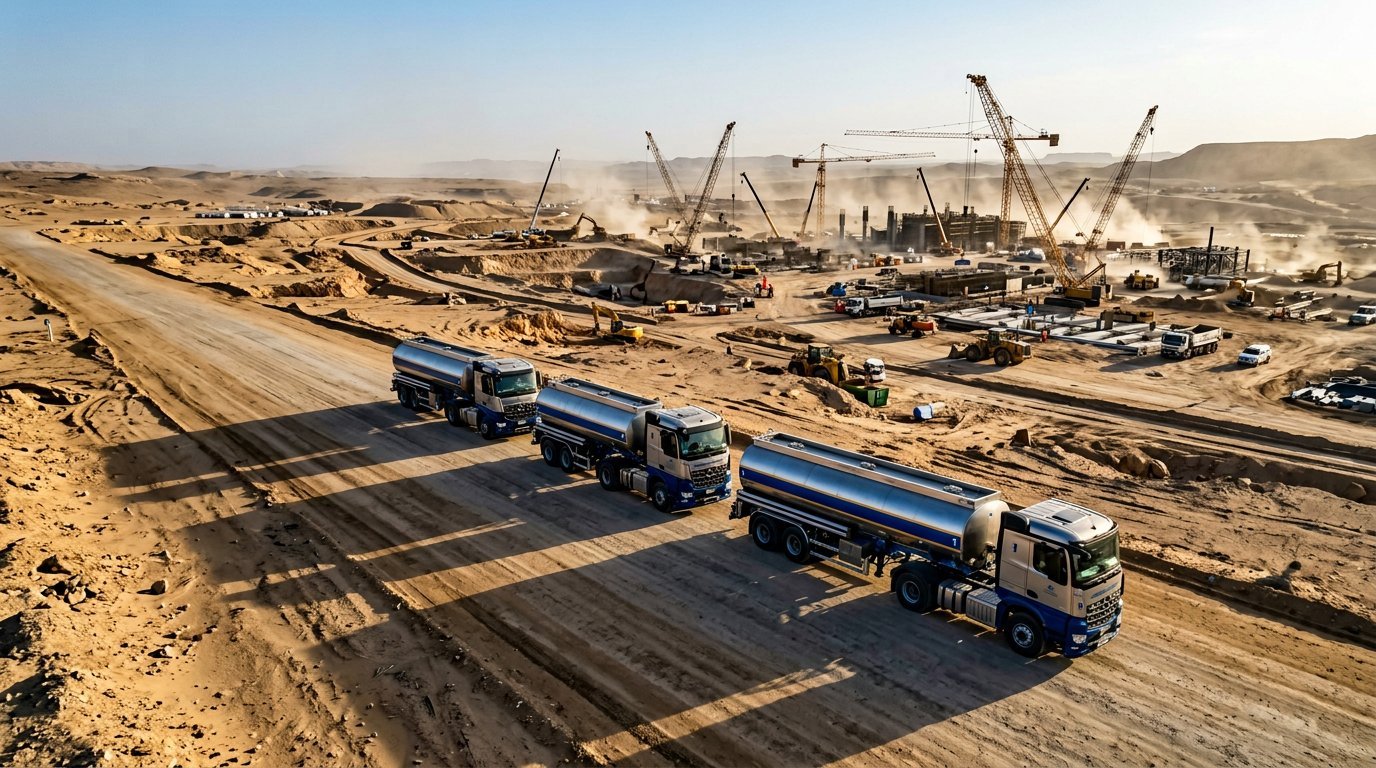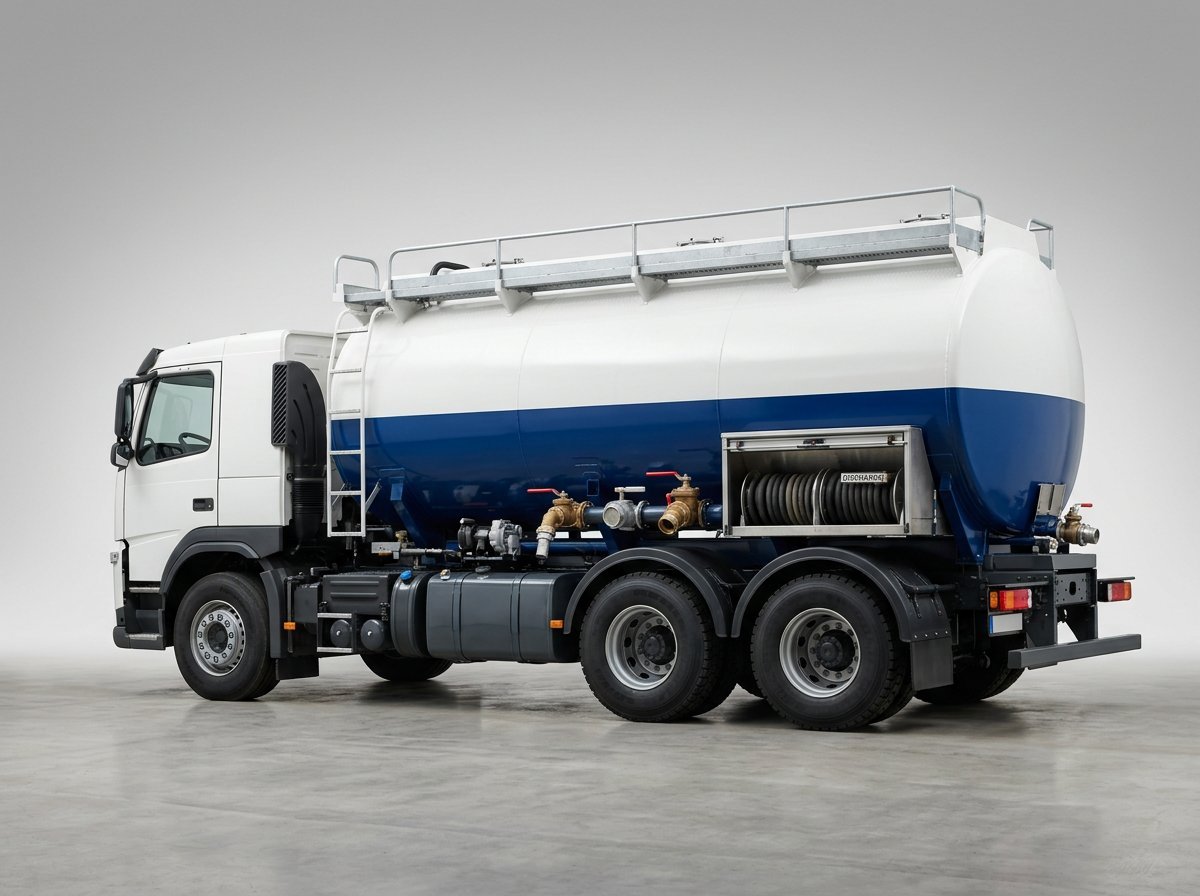

How to Plan Water Supply for a Construction Project
Most construction programmes treat water as an assumption rather than a planned resource. That works until the day it does not — usually the morning of a large pour.
1. Estimate demand by activity, not by guesswork
Earthworks compaction, concrete curing, dust suppression and site welfare all have different profiles. Estimate each separately and add a contingency for hot months, when evaporation and dust control demand both rise sharply.
2. Size your on-site storage first
Storage decouples your work from delivery timing. A site with 40,000 litres of buffer storage can absorb a delayed tanker; a site with none cannot.
3. Fix the delivery window, not just the day
A tanker that arrives at 4pm when your team needed it at 7am has technically delivered on time and practically failed.
4. Agree the documentation up front
Signed delivery notes with volume, date, time and receiver name will save arguments at month end and support your cost reporting.
5. Contract for the programme, not for the week
A contract with an agreed volume band and response commitment costs less per load than repeated spot bookings, and it gives your supplier the visibility to plan capacity for you.